Spider Plant Leaves Turning Yellow? Here’s the Real Reason
Yellow leaves on your spider plant don't mean it's dying; they're usually just a signal that something in its care routine needs adjusting. Discover the real reasons behind the yellowing, from watering habits to light and water quality, plus simple fixes to get your plant thriving again.

Michael Breg
EDITOR
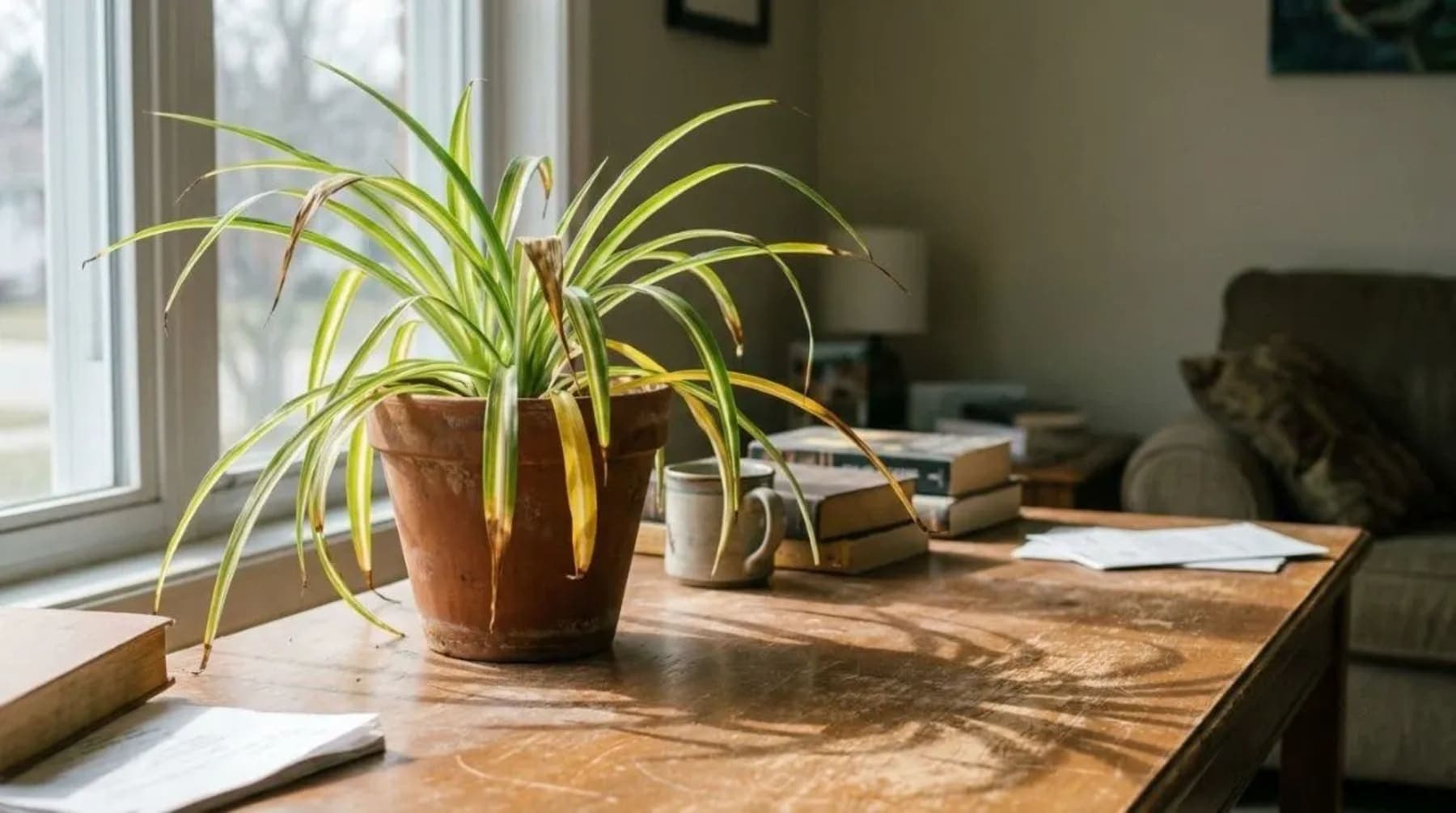
Chlorophytum comosum, commonly known as spider plants, is one of the favorite choices of people to make houseplants. Even their babies can survive for years and can produce spiderettes of their own.
Though they can tolerate low light, drought, and infrequent fertilizer applications, too little care can cause yellowing leaves and drooping.
Let's get into the significant reasons behind why your spider plant leaves are turning yellow.
Overwatering
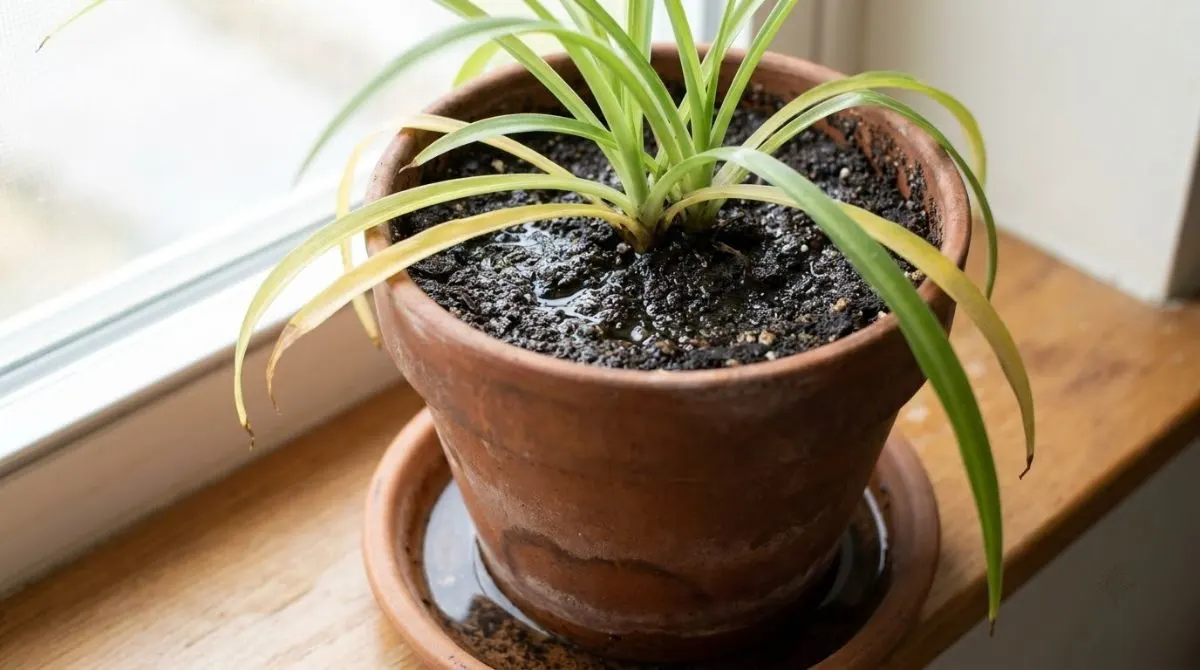
This is the most common mistake plant parents make. Overwatering causes a loss of oxygen in the root area, resulting in “root rot,” and once the roots are damaged, they can't take up water or nutrients, which ultimately is a cause of yellow leaves.
Underwatering
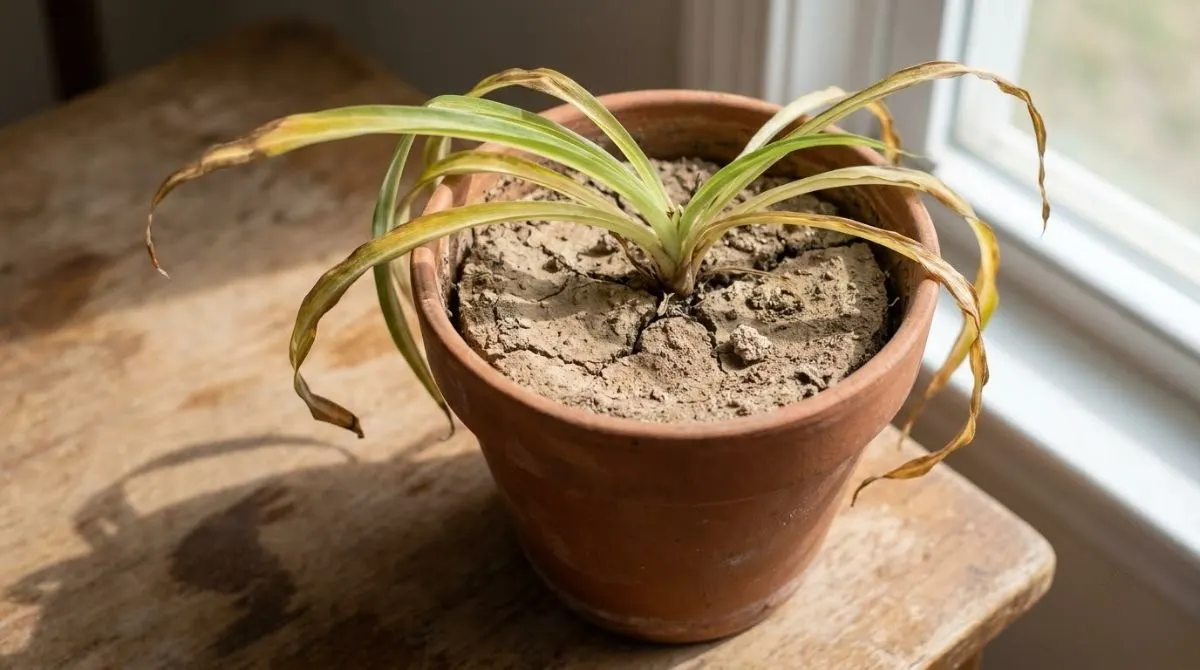
A low-maintenance plant is sometimes confused as a “no-maintenance plant ". Underwatering is a prime cause of plant stress and leaves it with yellow leaves. When little water is received by a spider plant, nutrient movement slows down, which makes leaves start turning yellow from the tip.
Pests
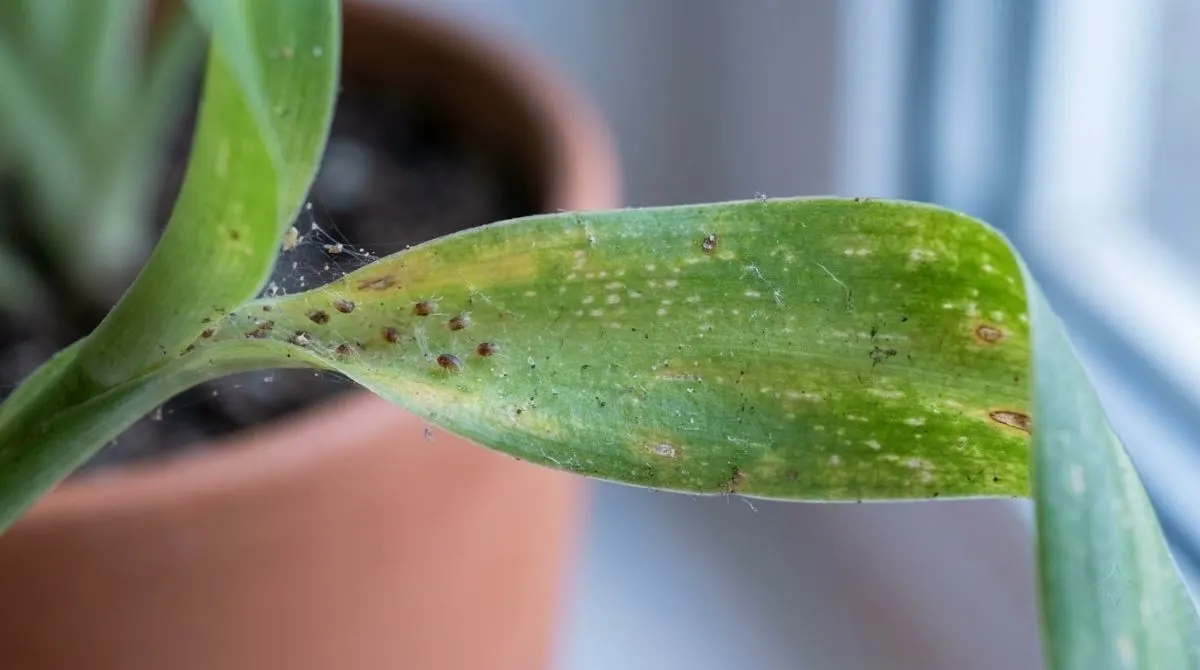
Frequent use of chemical pesticides and fertilizers is also not beneficial for your plants. They start affecting it by leaving discoloration on leaves and draining its energy.
Indoor spider plants can often pick up pests when brought home from a nursery. To resolve this, simply quarantine your plant for a few weeks, enabling you to spot them and take immediate action.
Wrong temperature
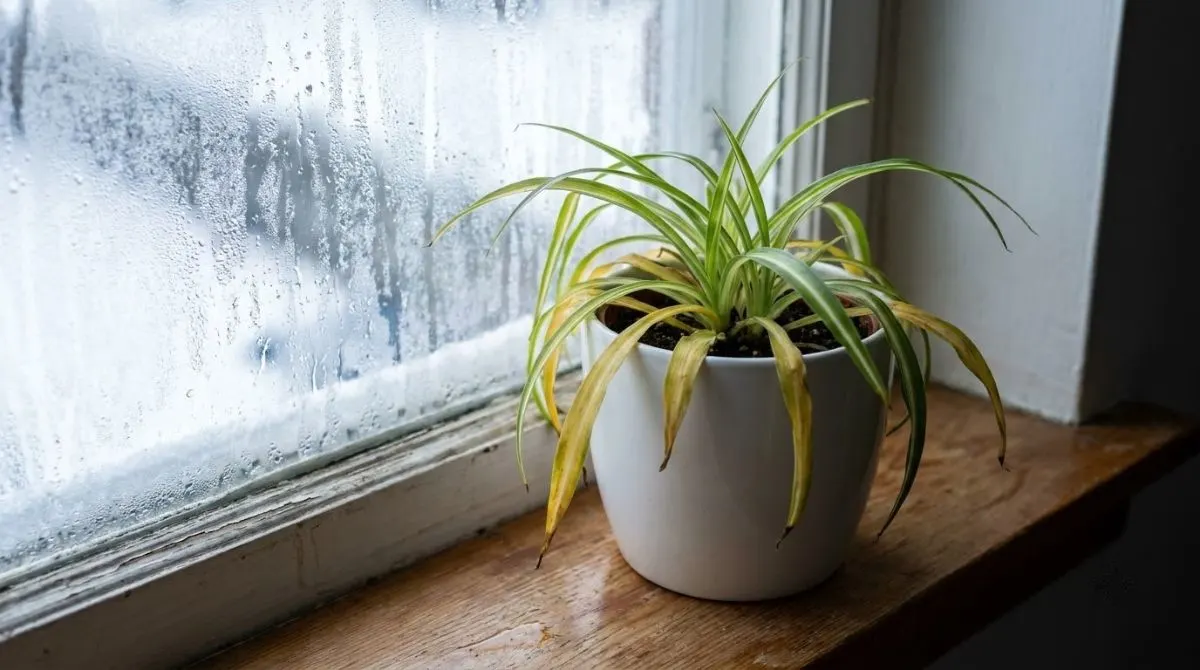
Belonging to a subtropical plant family, spider plants can't really survive the cold season. In harsh winters, they can get stressed, causing them to wilt, dry out, or even die.
Consider maintaining a temperature of 55° Fahrenheit or above. And in the worst freezing conditions, isolate your plants in a plastic bag to protect them perfectly.
Diseases
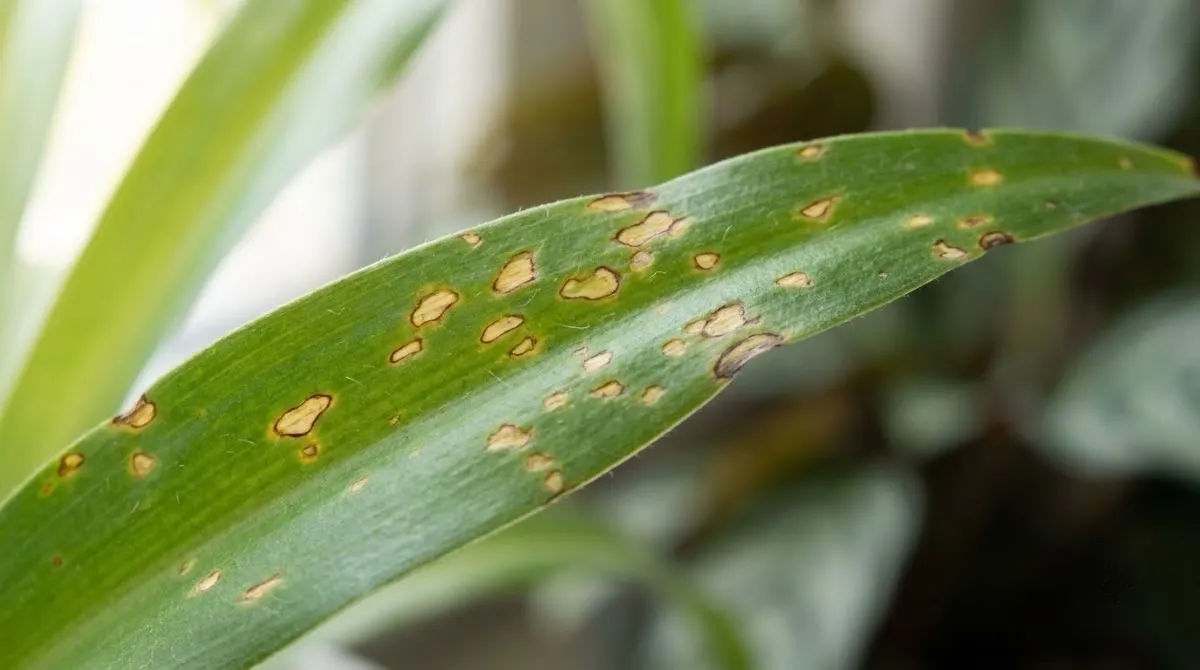
Though getting disease isn't a common issue seen in spider plants, in rare conditions it happens because of pathogens sucking out energy from the plant.
Fungus and bacteria both spread where there is moisture. To defend against this, provide a good growing environment that helps prevent fungus and bacteria. Simply keeping the environment dry and consistent is the best defense.
FAQs
Question
Why does my spider plant keep getting yellow leaves?
Answer
Yellow leaves keep returning when the underlying cause is still affecting the plant or the same stressful condition keeps recurring. This can happen when a care problem is only temporarily corrected, so new leaves begin yellowing after the plant is exposed to the same stress again.
Question
How long does a yellowing spider plant take to recover?
Answer
There is no fixed recovery time. Improvement is better judged by yellowing that stops spreading and healthy new growth; the timeline varies with the severity of stress and root condition.
Question
Can a spider plant survive if most of its leaves turn yellow?
Answer
Yes, if the crown and enough healthy roots remain viable. A soft crown, extensively damaged roots, or rapid wilting indicates a more serious decline and lowers the chance of recovery.

Written by Michael Breg
Studio Writer.
Enjoyed this informational guide?
Discussion (0)
No comments yet. Be the first to share your thoughts or ask a question!
Join the Discussion
Your email address will not be published. Required fields are marked *
More from Gardening
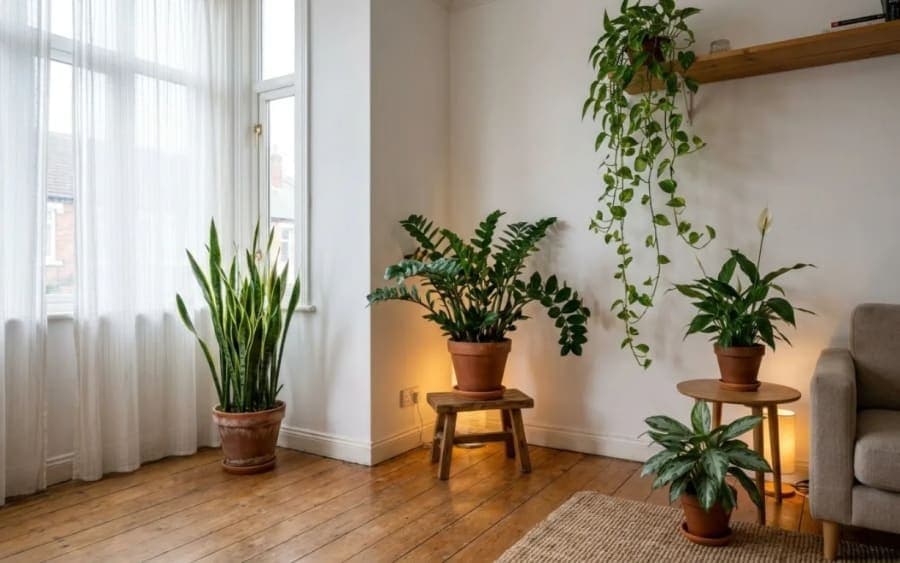
7 Ways to Grow Indoor Plants in Low Sunlight Apartments (Beginner-Friendly Guide)
Living in a low-light apartment doesn't mean you can't enjoy beautiful indoor plants. Discover 7 practical ways to grow healthy houseplants with minimal sunlight, plus the best plant choices and beginner-friendly care tips.