How to Grow Spider Plant Babies
Spider plants make it easy to grow plants for free. Learn how to find, cut and root spider plant babies with three ways to grow them and learn care tips to help each new spider plant thrive.

Michael Breg
EDITOR
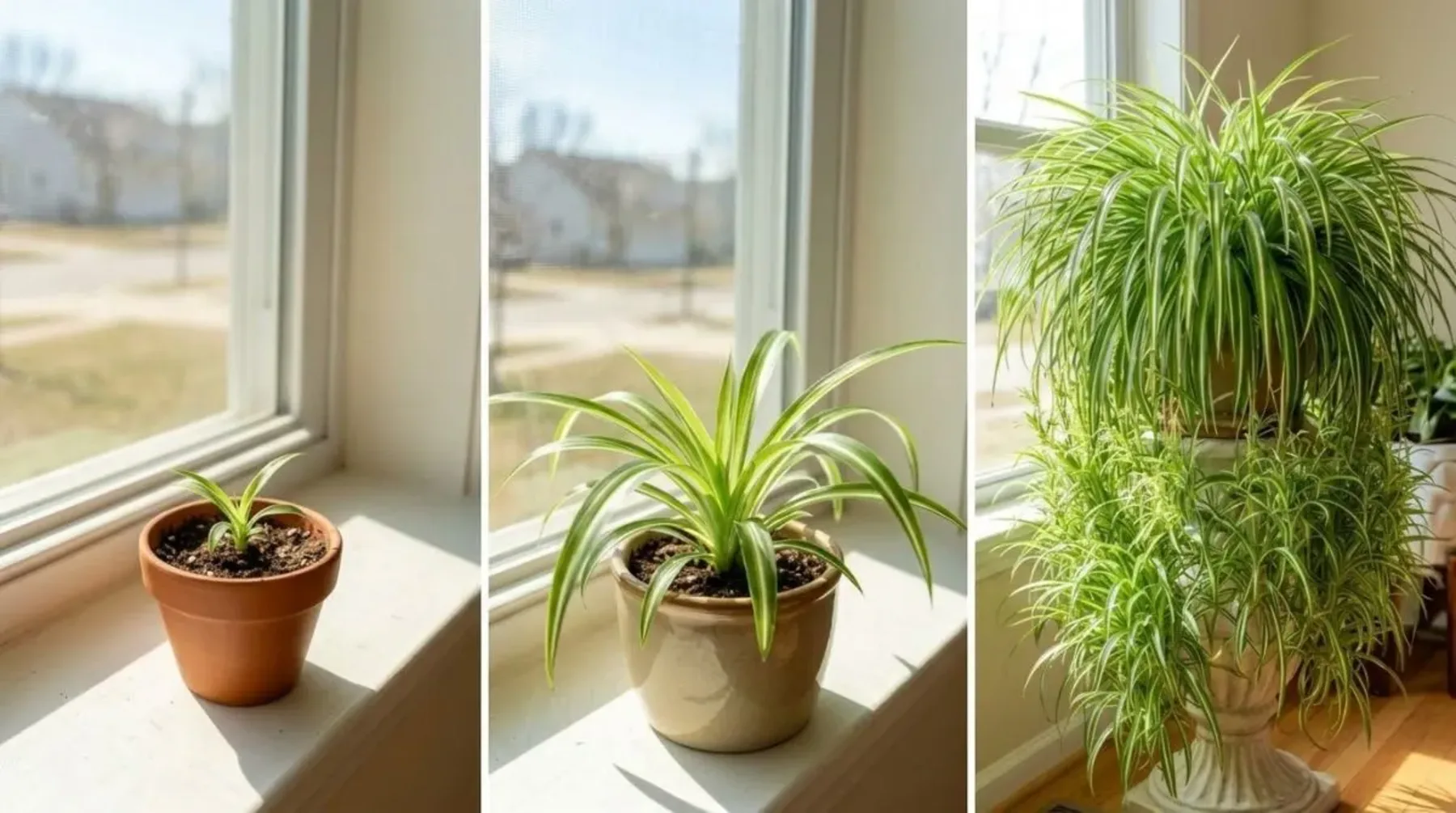
If you have ever seen tiny green shoots hanging from the curved stems of your spider plant you have already seen the spider plant babies. Nature's way of creating copies. These small plantlets, often called spiderettes or pups, are among the most rewarding plants to grow from a houseplant. With a jar of water, a small pot of soil and a little patience you can turn one hanging spider plant baby into a complete thriving spider plant of its own.
Spider plants (Chlorophytum comosum) are rewarding houseplants for anyone who loves plants. Mature spider plants send long arching stems called stolons. At the end of each stolon grow plantlets, often called spider babies, pups or spiderettes. Spider Plant Babies are clones of the parent. With care each Spider Plant Baby can become a full thriving plant on its own. Whether you want to fill your home with greenery, share plants with friends or simply understand how spider plants reproduce, learning how to grow Spider Plant Babies is simple and highly satisfying.
Why Spider Plants Produce Babies
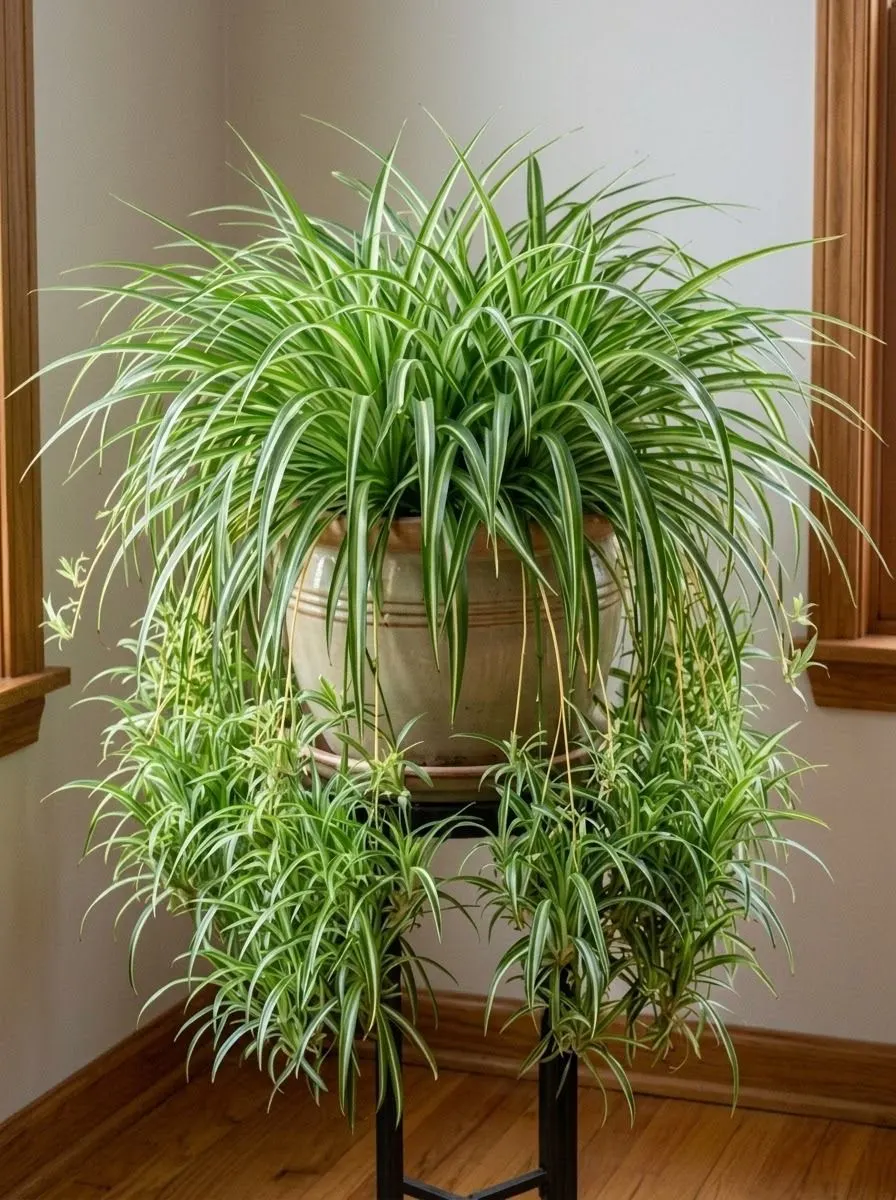
Spider plants are self-propagators. Once a spider plant matures within one to two years it begins producing long stolons that dangle from the base of the plant. Small white flowers appear along these stems. After the flowers fade tiny plantlets develop where the flowers were. This is the way spider plants reproduce. In the wild this allows the plant to spread and root nearby. In your home these dangling Spider Plant Babies only need a nudge to grow their root systems and become plants.
Spider plants usually produce Spider Plant Babies when they are slightly root-bound. When they receive light and experience the natural stress of longer daylight hours in spring and summer, healthy mature plants can produce dozens of Spider Plant Babies each year.
When to Harvest Spider Plant Babies
Timing matters when propagating Spider Plant Babies. Look for Spider Plant Babies that already have nubs or bumps at their base. These nubs show that root growth is beginning. Spider Plant Babies that are least two to three inches long and have a few visible leaves tend to root more successfully than very young tiny plantlets. If you look closely you may even see tiny aerial roots forming while the Spider Plant Baby is still attached to the parent plant. Those Spider Plant Babies are the candidates for propagation because they have already begun the rooting process naturally.
Three Methods for Propagating Spider Plant Babies
1. Water Propagation
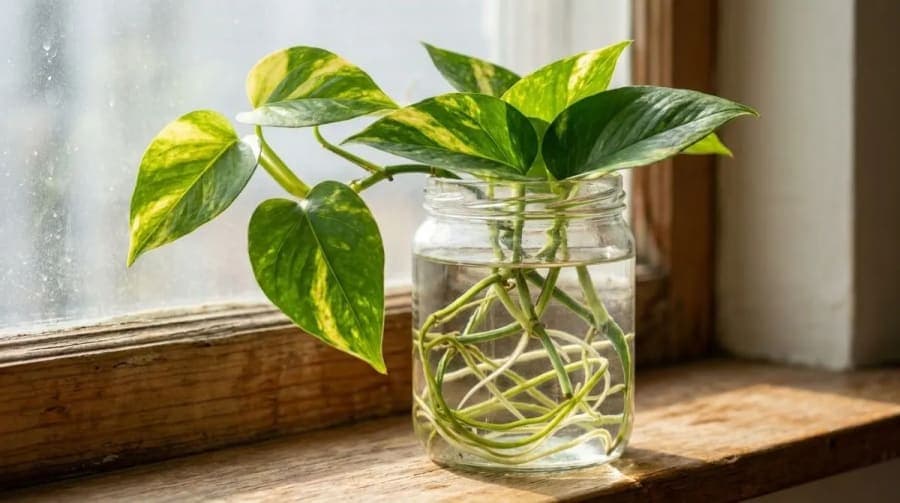
Water propagation is a method. I find that simply snipping the Spider Plant Baby from its stolon with scissors or pruning shears while leaving a stem attached works well. I then place the base of the Spider Plant Baby into a jar or glass of water that's, at room temperature. I make sure that the base of the Spider Plant Baby is underwater but that the leaves stay dry. I put the jar in a place that gets light. I change the water every day to keep it fresh and to stop rot or algae from forming. Within one to two weeks I start to see roots beginning to grow. When the roots of the Spider Plant Baby reach an inch or two I know that the Spider Plant Baby is ready to be moved into soil.
2. Direct Soil Propagation
If you prefer to skip the water stage plant the Spider Plant Baby into a draining potting mix. This works well for Spider Plant Babies that already have root nubs. Insert the base of the Spider Plant Baby half an inch into the soil water thoroughly and keep the soil moist (but not soggy) for the first few weeks. Covering the pot loosely with a bag can help retain humidity and encourage rooting. Keep the pot in light. Avoid direct sun, which can scorch the delicate new growth.
3. Rooting While Still Attached
For a method where you do not need to cut the Spider Plant Baby from the parent plant right away, place a pot of soil next to the parent plant and rest the Spider Plant Baby on top of the soil while it is still connected by the stolon. Use a stone, garden staple or bent paper clip to hold the base in contact with the soil. Over a few weeks the Spider Plant Baby will root into the new pot on its own, drawing some support from the parent plant during the transition. Once you see growth or feel resistance when you tug gently on the Spider Plant Baby the roots have taken hold. You can then snip the stolon connecting it to the parent.
Caring for Rooted Spider Plant Babies
Once a Spider Plant Baby has rooted, whether in water or soil it needs continued care to grow into a plant. I recommend using a potting mix that drains well, one made for plants. I choose a pot that has drainage holes so the plant does not stay in water. Spider Plant likes light. If Spider Plant does not get light its stems may stretch and its leaves may look pale. If the spider plant is exposed to the sun the leaves may burn.
I water the Spider Plant Baby when the top inch of soil feels dry. I never let the pot sit in standing water. Spider Plant is fairly tolerant of watering so it is a great plant for beginners. A diluted balanced liquid fertilizer applied once a month during the growing season—spring and summer—will help encourage development though it is not strictly necessary for the Spider Plant Baby’s survival.
Keep humidity moderate. Temperatures between 65 and 80°F (18–27°C) are best for Spider Plant Baby growth. Spider Plant Babies are also sensitive to fluoride and chlorine in tap water, which can cause tips on the leaves. If you notice this happening with Spider Plant Baby consider using filtered or distilled water. Let tap water sit out overnight before using it.
Sharing the Joy of Spider Plant Babies
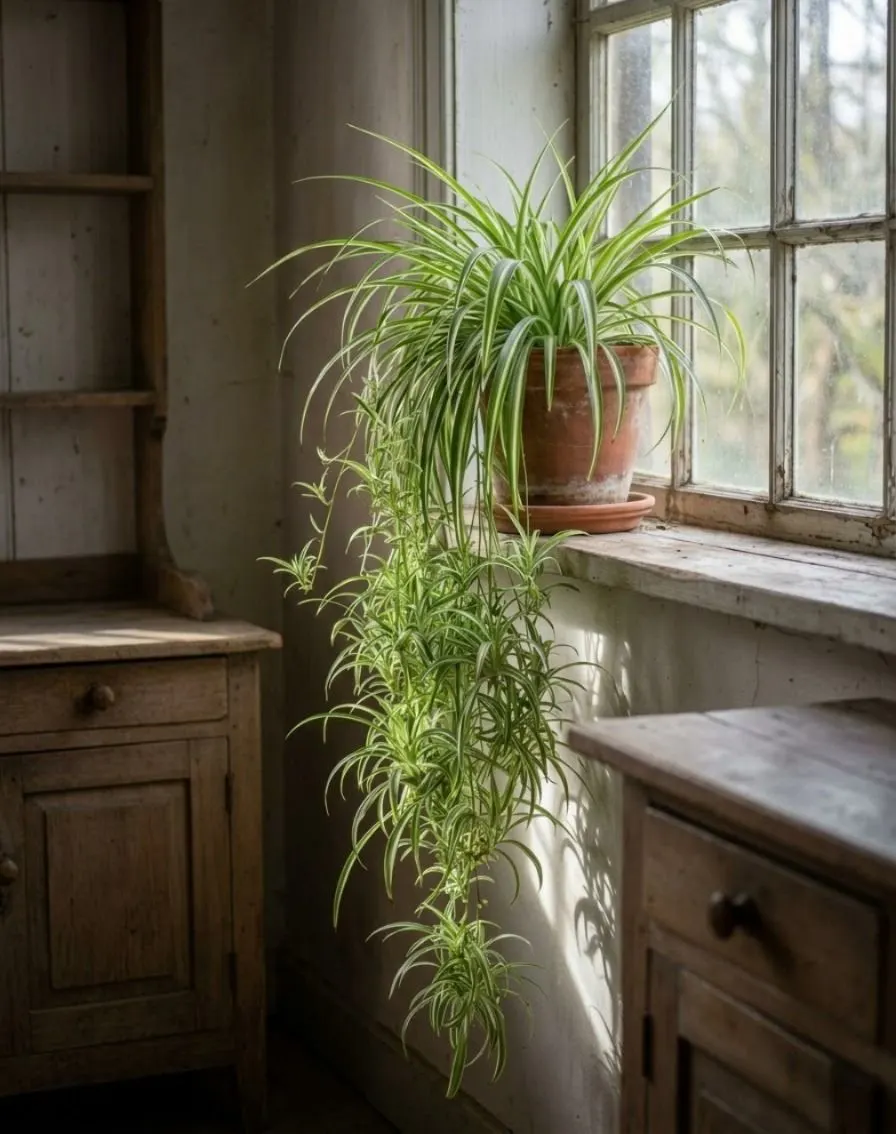
One of the parts of growing Spider Plant Babies is how easy they are to share. Because each Spider Plant Baby is a clone of the parent, friends and family who receive a Spider Plant Baby get a copy of the plant. This makes Spider Plant Babies housewarming gifts, ideal classroom projects for teaching kids about plant propagation or simply a way to expand your indoor garden without spending money on new plants.
With an effort a single healthy Spider Plant can produce Spider Plant Babies to fill your home—and the homes of everyone you know—, with lush easy-care greenery for years to come.

Written by Michael Breg
Studio Writer.
Enjoyed this informational guide?
Discussion (0)
No comments yet. Be the first to share your thoughts or ask a question!
Join the Discussion
Your email address will not be published. Required fields are marked *
More from Gardening

7 Ways to Grow Indoor Plants in Low Sunlight Apartments (Beginner-Friendly Guide)
Living in a low-light apartment doesn't mean you can't enjoy beautiful indoor plants. Discover 7 practical ways to grow healthy houseplants with minimal sunlight, plus the best plant choices and beginner-friendly care tips.