The Best Small Space Garden Ideas: From Mini Gardens to Indoor Growing
Growing a green thing is not necessary to involve huge amounts of land and even does not mean having a garden in the backyard. Find out about some of the most creative small garden ideas to grow greens in limited space.

Michael Breg
EDITOR
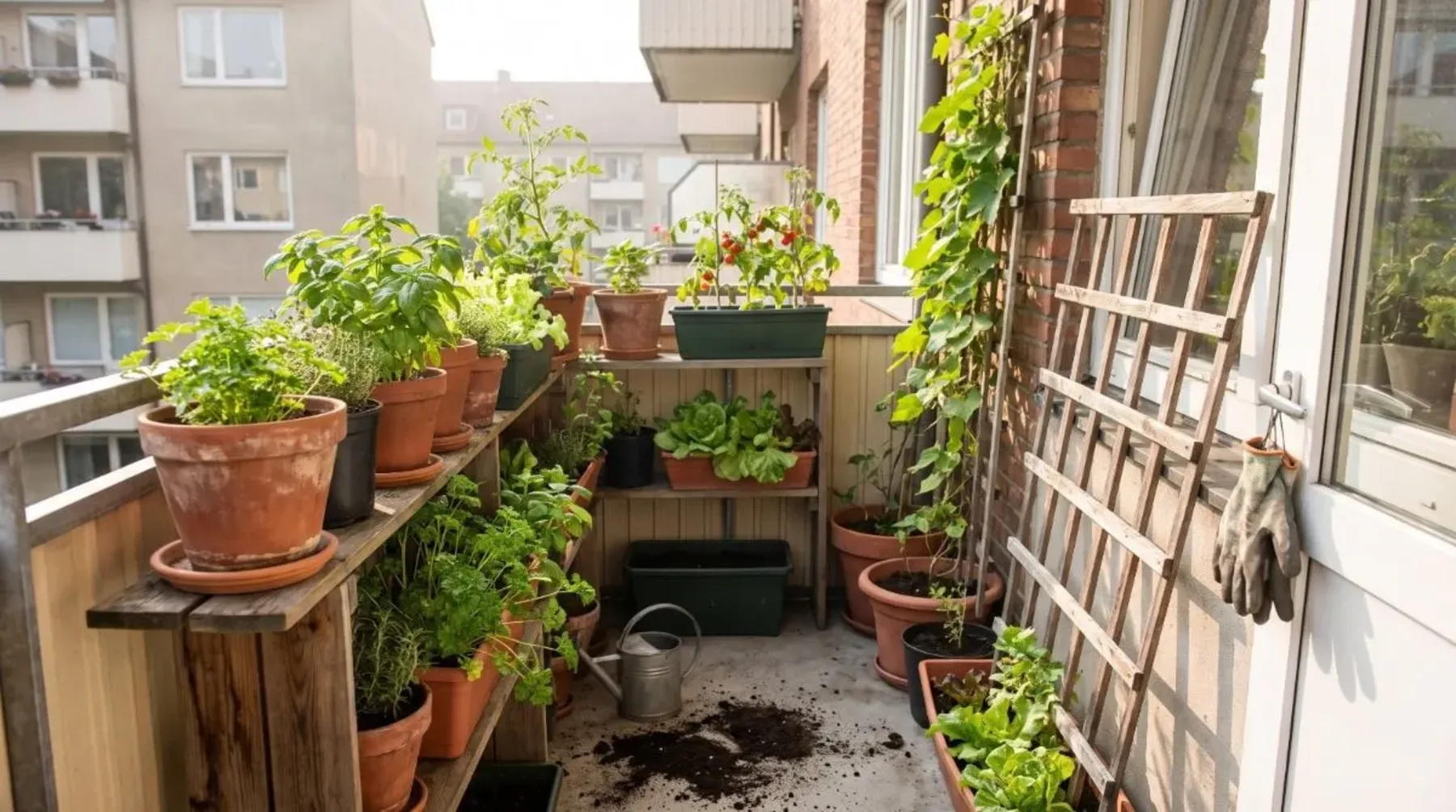
Gardening has come a long way from requiring wide expanses of land to cultivate. Now, some of the most innovative gardening happens in the smallest spaces available—a row of potted herbs lining a windowsill, a trellis covered in trailing plants on a balcony, or a self-contained hydroponic system on your kitchen counter. Small space gardening isn't simply a smaller version of normal gardening; it's its own type of gardening that relies on plant choice and vertical gardening. Learn how to create a garden in even the tiniest spaces with this guide.
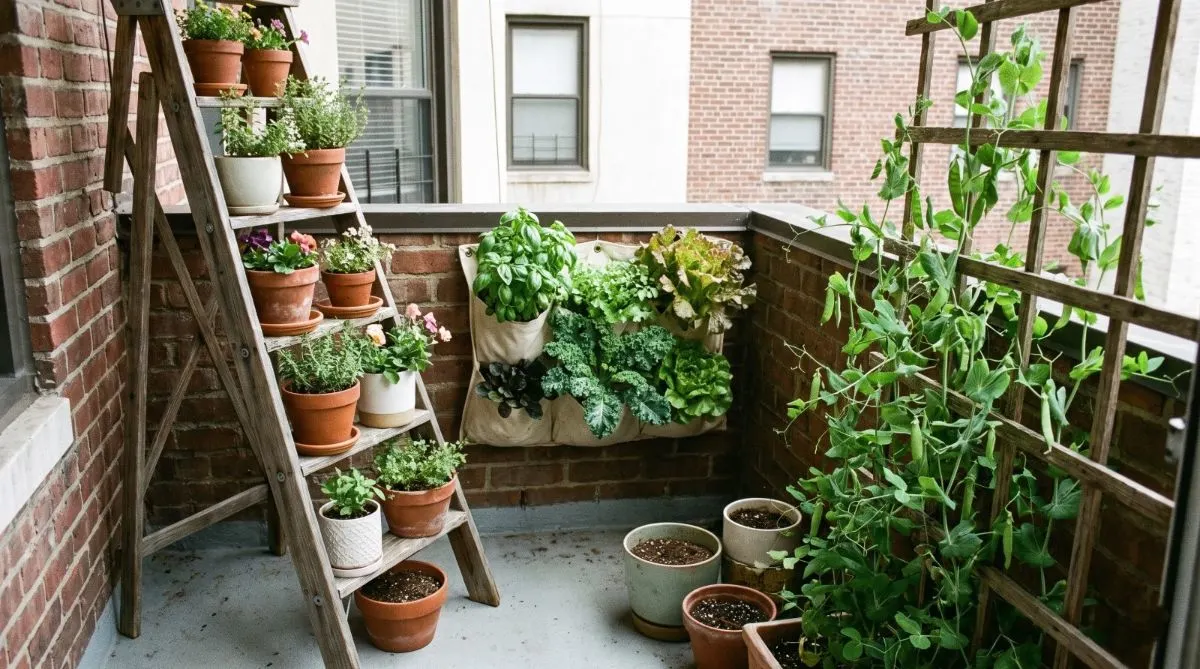
Vertical Gardening: Come First When Floor Space Is Limited: Walls and railings can be great options for growing when you have limited floor space. Vertical gardening stacks plants vertically rather than horizontally.
Wall planters & pocket gardens: Felt or plastic pockets hang from walls and fences and provide separate compartments for herbs, lettuce, or strawberries.
Plants that will support trellis and climbers: Peas, cucumbers, pole beans, and even squashes can be grown vertically, creating additional ground space for other crops.
Multi-level planters: An easy-to-build, ladder-like rack can hold twelve pots in the space of one or two. Vertical growing helps with airflow and light distribution, leading to healthier plants.
Container Gardening: Small Pots, Big Harvests:
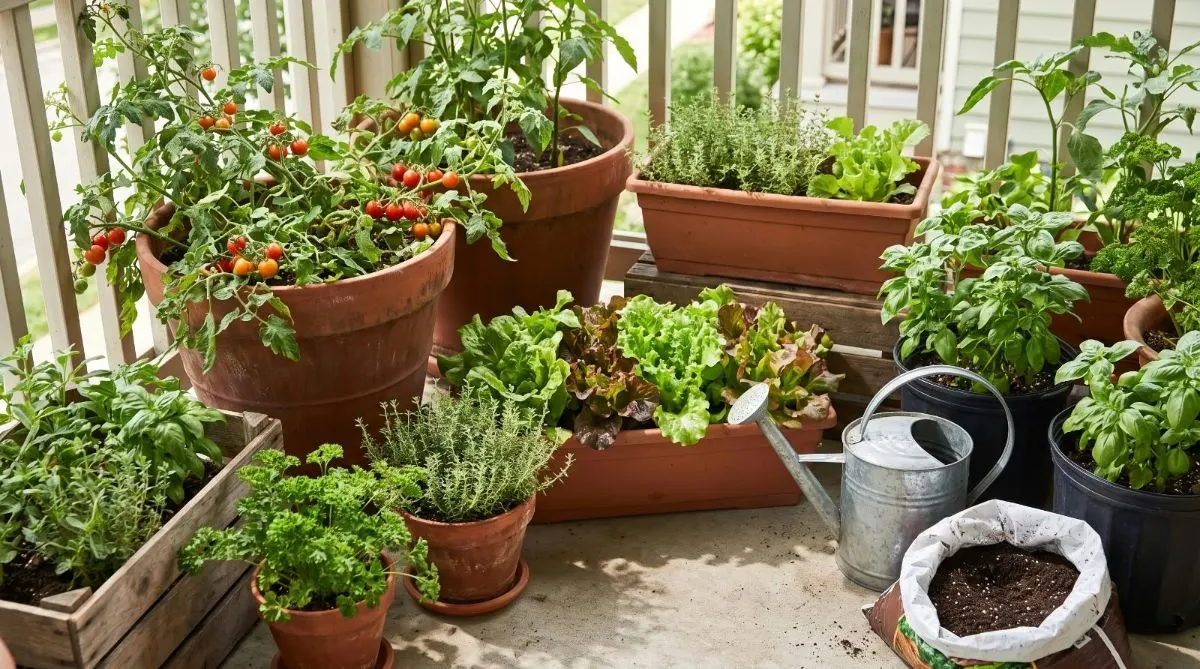
Pots are the foundation of any small-scale garden because they can be placed anywhere: on a fire escape, porch, or railing. Here are some suggestions that will help you grow more in your pots:
Choose the right pot size for the plant: Herbs and lettuce are fine in 6-8 inch pots; tomatoes and peppers need at least 12-18 inches deep pots to develop a healthy root system.
Use proper potting mix: Avoid mixing in garden soil. Garden soil compresses in pots and drains poorly; use a lightweight potting mix to keep your plants healthy.
Group your pots depending on their watering needs: There are plants that prefer dry soil, such as succulents and herbs like rosemary, and there are plants, such as leafy greens, that need consistently moist soil; group your plants accordingly.
Mini Raised Beds and Portable Garden Kits
With even a tiny piece of patio or yard space, a mini raised bed (which can be as small as 2x2 feet) can prove to be more productive than a large in-ground bed since you will have full control over your soil. Square foot gardening (dividing a small garden bed into grids and planting different plants in each grid) is also one of the best gardening trends right now. Mini garden kits with elements like trellises, irrigation, and modular grow beds are gaining popularity among renters.
Indoor Gardening: No Outdoor Space Required
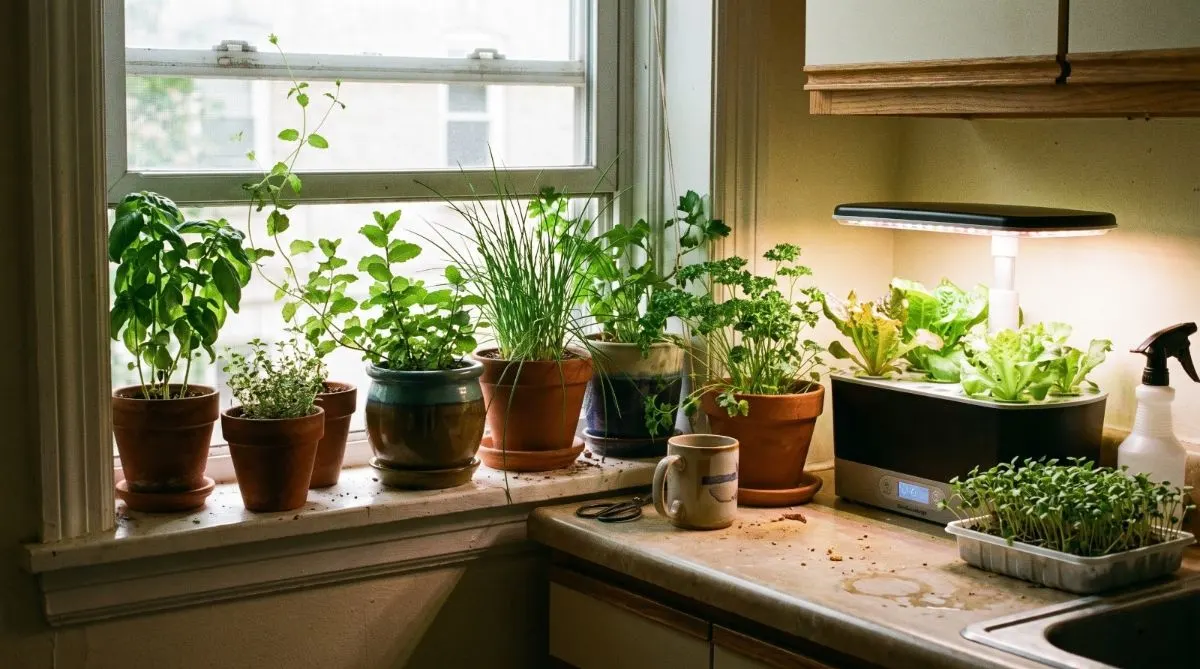
For those living in apartment complexes with no open area to garden, indoor gardening has grown significantly over the past few years.
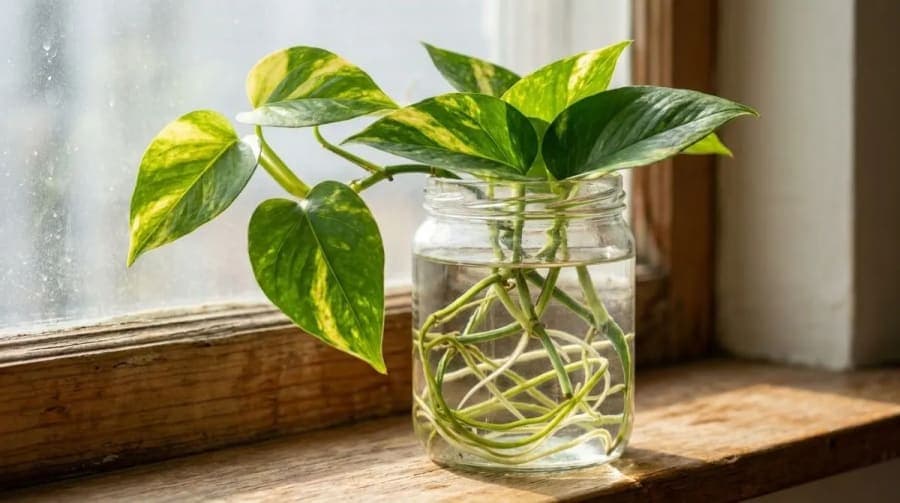
Window sill herb gardens: A south-facing or west-facing window provides enough sunlight to grow herbs like basil, chives, mint, and parsley in pots or trays.
Grow lights: LED grow lights have made it easier to cultivate herbs, microgreens, and vegetables in dark rooms. Most LED grow lights available today are portable enough to clip onto shelves.
Hydroponic countertop systems: Self-contained hydroponic systems may even fit in a space like your coffeemaker and allow you to grow greens like lettuce, herbs, and other vegetables in a soilless environment using a nutrient-rich solution and built-in lights.
Microgreen trays: Microgreens like radish, broccoli, and pea shoots provide a high return in a short period and are ideal for fast indoor growing, as they take just 1-3 weeks to grow in a shallow tray on the counter with minimal lighting requirements.
What to Plant
Small growing areas will favor crops that grow quickly, are compact, or can be grown successfully in pots:
Herbs: basil, thyme, chives, mint (as mint tends to thrive when kept contained due to its invasive nature in the open fields)
Leafy vegetables: lettuce, spinach, and arugula are easy to harvest and can grow in shaded areas
Vegetables: cherry tomatoes, beans, radishes, and peppers grown specifically for pot planting
Flowers: nasturtiums and pansies can be eaten and provide aesthetic appeal
Some Practical Suggestions
Plant based on your lighting conditions. Know your lighting conditions first before planting and then decide what to grow, since the majority of vegetables that bear fruit require at least 6 hours of sunlight, while leafy vegetables can survive on less sunlight.
Water more than you think. Pots tend to dry out faster than garden soil, especially on hot summer days.
Fertilize your pot-grown crops regularly. Container soil tends to lose fertility quicker than garden soil.
Rotate your planting seasonally. Limited spaces give you an opportunity to play around and switch from cool-season vegetables to hot-season herbs as seasons change.
Conclusion
Small-space gardening isn't just an alternative; it's a whole different approach that requires patience, creativity, and the right plant choices. This growing technique is for everyone, no matter the location. Start with something small, figure out what grows best in your conditions, and go from there.

Written by Michael Breg
Studio Writer.
Enjoyed this informational guide?
Discussion (0)
No comments yet. Be the first to share your thoughts or ask a question!
Join the Discussion
Your email address will not be published. Required fields are marked *
More from Gardening
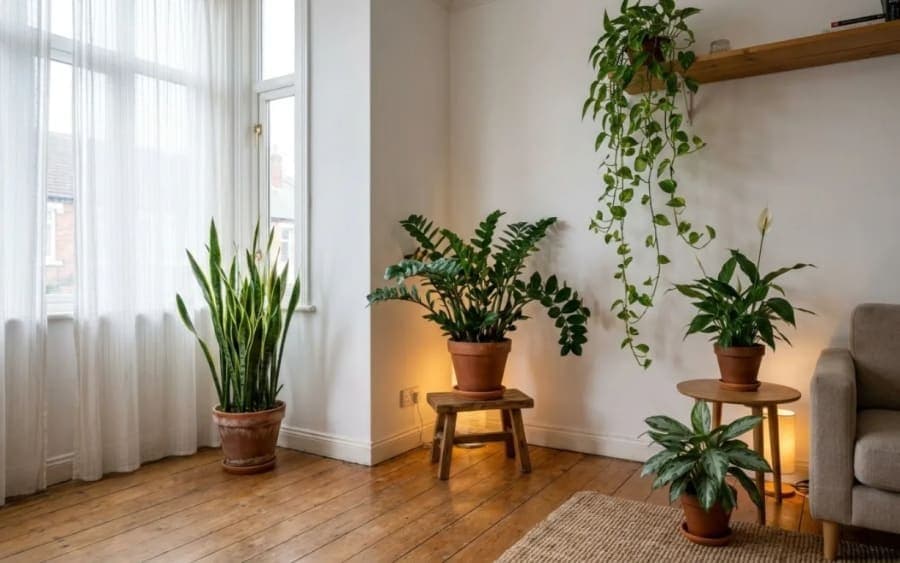
7 Ways to Grow Indoor Plants in Low Sunlight Apartments (Beginner-Friendly Guide)
Living in a low-light apartment doesn't mean you can't enjoy beautiful indoor plants. Discover 7 practical ways to grow healthy houseplants with minimal sunlight, plus the best plant choices and beginner-friendly care tips.